
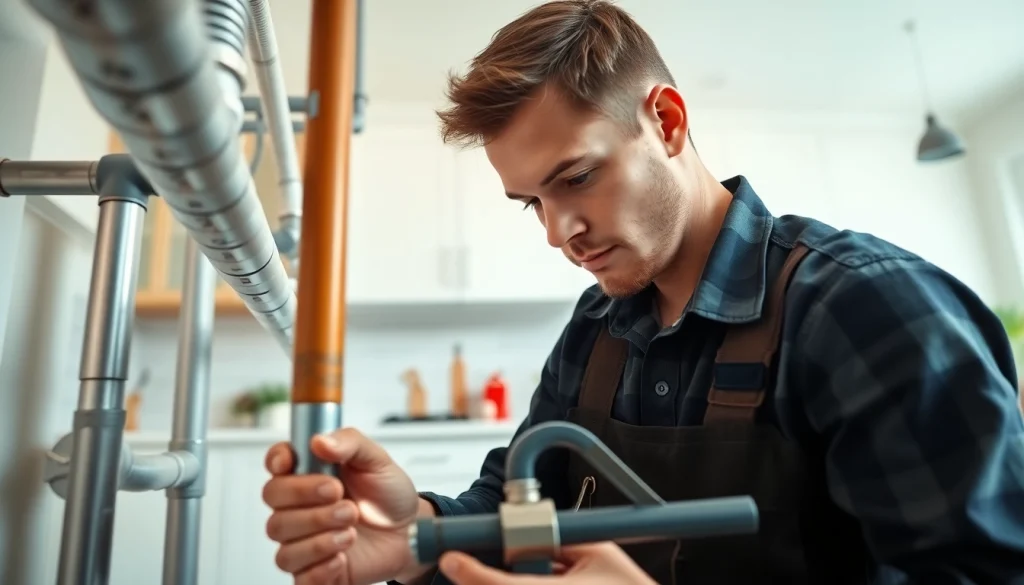
Understanding Whole House Repiping Services Tampa
What is Whole House Repiping?
Whole house repiping is a comprehensive plumbing service that involves replacing all the pipes in a home. This process may also extend to fixtures and fittings connected to the plumbing system. In many cases, homes built decades ago may have outdated or deteriorating pipe material, which can lead to leaks, low water pressure, and various plumbing issues.
The repiping process is not merely a patch-up job. Instead, it aims to upgrade the plumbing system by replacing old pipes, typically made of materials like galvanized steel, lead, or faulty polybutylene, with modern alternatives such as PEX or copper. This modernization improves water quality, flow, and overall home safety. If your home is experiencing issues that indicate a failure in the plumbing infrastructure, whole house repiping services Tampa may be the best solution.
Signs Your Home Needs Repiping
Recognizing the signs that your home might need repiping is crucial to maintaining a safe and functional plumbing system. Some critical indicators include:
- Frequent Leaks: If you are continually fixing leaks, it could signal that your plumbing system is generally failing.
- Low Water Pressure: Sudden drops in water pressure can indicate blockages or damage within the pipes.
- Discolored Water: Rust or sediment in your water could mean your pipes are corroding, impacting your water quality.
- Old Pipe Materials: Homes built before the 1980s often have outdated pipe materials like lead or galvanized steel, which are unsafe and less durable than modern options.
- Unpleasant Odors: A foul smell may suggest the buildup of sewage or stagnant water in the plumbing.
Benefits of Whole House Repiping
Investing in whole house repiping offers numerous advantages that enhance your home’s plumbing infrastructure:
- Improved Water Quality: New pipes eliminate issues like rust and contaminants, ensuring cleaner and safer water.
- Enhanced Water Pressure: With new, unobstructed pipes, water flows better, providing a stronger and more satisfying supply.
- Fewer Repairs: A new plumbing system significantly reduces the frequency and cost of repairs, allowing homeowners peace of mind.
- Increased Home Value: Investing in your home’s plumbing can also lead to an increase in property value, fetching a better resale price when the time comes.
- Long-term Solutions: Modern materials are more durable and designed to withstand environmental stresses, reducing the likelihood of future issues.
Choosing the Right Whole House Repiping Professional in Tampa
Important Qualifications to Look For
When searching for a repiping professional, it’s essential to consider qualifications that signify expertise and reliability:
- Licensing: Ensure that the contractor is licensed and complies with local regulations.
- Insurance: A reputable plumber should have liability and worker’s compensation insurance to protect you from potential damages or accidents.
- Experience: Look for a professional with extensive experience and positive track records in whole house repiping.
- Certifications: Additional certifications in plumbing or specialized training can indicate further expertise.
- Warranties: Inquire about warranties for both labor and materials used in the repiping process.
Questions to Ask Before Hiring
Engaging with a potential contractor through questions can help clarify their service offerings and capabilities:
- What types of pipes do you typically use for repiping?
- Can you provide a written estimate that includes all costs involved?
- What is your timeline for completing the repiping project?
- How will you handle any unforeseen issues that arise during the project?
- Do you have references or reviews from previous clients?
Importance of Reviews and References
Online reviews and professional references serve as a window into a contractor’s reliability and quality. Take the time to:
- Check online platforms such as Google, Yelp, or Angie’s List for customer feedback.
- Request references directly from the contractor and follow up to understand their experience.
- Look for consistent themes in reviews, such as punctuality, quality of work, and customer service.
Preparing for Your Whole House Repiping Project
Initial Consultations and Assessments
Before the actual work begins, an initial consultation is essential for evaluating your home’s plumbing system. The hired professional should:
- Conduct a thorough inspection of your current plumbing.
- Discuss findings and explain necessary services and materials.
- Answer any questions you may have regarding the project.
Budgeting for Repiping Services
Having a clear budget is vital for any remodeling project. Consider the following:
- Evaluate the cost of materials and labor, and aim to get itemized quotes from multiple professionals.
- Set aside funds for contingencies, as unexpected issues may arise during the project.
- Assess any potential increase in property value and take that into account.
What to Expect During the Process
Preparation and understanding of the repiping process can alleviate stress. Generally, this is what you can expect:
- Disruption of water service during the project, but contractors aim to minimize this.
- Access to specific areas of the home may be restricted; planning ahead can make things easier.
- Regular updates from contractors during the process, informing you of progress and any unexpected challenges.
Post-Repiping Considerations and Maintenance
How to Care for Your New Plumbing System
Once the repiping is complete, it’s essential to establish care habits for your new system:
- Regularly monitor for leaks or signs of deterioration.
- Practice good plumbing habits such as avoiding flushing non-degradable items.
- Consider installing water softeners if your area has hard water to prolong the lifespan of your plumbing.
Signs of Potential Issues After Repiping
Be aware of symptoms that may indicate issues in your newly installed plumbing:
- Unusual Noises: Sounds of dripping, hissing, or banging can mean an unresolved problem.
- Water Spots: Stains on walls or ceilings may indicate hidden leaks.
- Unexplained Bills: A sudden increase in water bills can signal a leak or a drainage issue.
Scheduling Regular Inspections
To maintain the integrity of your plumbing system, it’s wise to schedule routine inspections. Regular assessments help identify potential issues before they escalate and uphold the longevity of your repiping investment.
Frequently Asked Questions about Whole House Repiping Services Tampa
How long does whole house repiping take?
Typically, it takes 1-3 days depending on the size of the home and the complexity of the plumbing system.
What materials are used for repiping?
Common materials include PEX, copper, and PVC, each with its own advantages and considerations.
Will I need to relocate during the repiping?
Not usually, but homeowners may need to vacate specific areas temporarily for safety.
Can I save on costs with DIY repiping?
While DIY might reduce immediate costs, improper installations can lead to costly repairs down the line.
Are permits required for whole house repiping?
Yes, most local ordinances require permits to ensure compliance with building codes.