
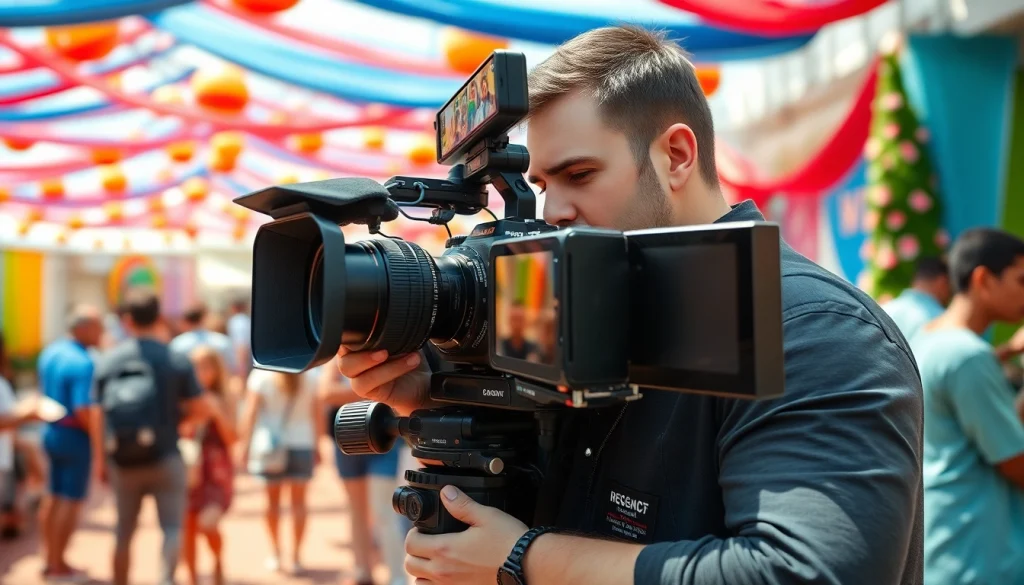
Understanding Video Production Fundamentals
Defining Video Production
Video production is the process of creating video content for a range of media. This can include everything from films and commercials to educational videos and online content. The production process encompasses multiple phases, including pre-production, production, and post-production, each critical to the creation of a compelling final product. The rise of digital platforms and video marketing has made video production an essential skill for brands and individuals alike, making it vital to understand its core components, especially in an era where Video production plays a pivotal role in communication and engagement.
Key Stages in Video Production
Video production typically involves three primary stages:
- Pre-Production: This initial phase involves planning, scripting, storyboarding, and team assembly. It’s crucial for laying the groundwork to ensure a smooth production process.
- Production: This is where the actual filming takes place. It includes capturing video footage, audio, and other necessary elements as per the pre-production plan.
- Post-Production: After filming, this stage involves editing, color correction, sound mixing, and adding graphics or special effects to create a polished final product.
Essential Equipment for Video Production
Having the right equipment is fundamental for successful video production. Key tools include:
- Cameras: Professional-grade cameras or DSLRs that can shoot high-quality video are essential.
- Tripods and Stabilizers: To ensure steady shots, using a tripod or stabilizer is recommended.
- Lighting Equipment: Proper lighting is crucial for achieving the right mood and clarity in your shots.
- Audio Gear: High-quality microphones and audio recorders can significantly improve the overall quality of your production.
- Editing Software: Tools like Adobe Premiere Pro or Final Cut Pro are essential for post-production editing.
Planning Your Video Production
Creating a Project Brief
A well-defined project brief is the cornerstone of any successful video production. It outlines the project’s goals, audience, key messages, budget, and timeline. Engaging stakeholders during this stage can ensure all critical angles are covered. Additionally, clear objectives will help guide creative decisions, making it easier to achieve desired outcomes.
Budgeting for Video Production
Establishing a realistic budget is vital. Consider all aspects, including equipment rental, crew salaries, locations costs, and post-production expenses. Always include a contingency fund for unexpected costs. Transparency in budgeting helps communicate with stakeholders and can prevent misunderstandings later in the process.
Choosing Locations for Your Shoot
Location can significantly impact the aesthetic and narrative of your video. Identifying the right place involves evaluating several factors, including accessibility, lighting conditions, and cost. Always have a backup location in case of unforeseen circumstances, such as inclement weather or permits issues. On-location scouting and testing shots beforehand can save time and resources during the actual shoot.
Shooting Techniques in Video Production
Camera Angles and Movement
Camera angles and movements add depth and context to your video. Experimenting with different angles—such as close-ups, high angles, and low angles—can evoke various emotional responses. Dynamic movements, such as pans, tilts, or tracking shots, also help maintain viewer engagement. Understanding the impact of each technique helps storytellers convey their message more effectively.
Lighting Techniques for Creativity
Lighting is one of the most critical aspects of video production, setting the tone and atmosphere of a scene. Three-point lighting is a standard setup that involves key, fill, and backlight to create depth. However, creative lighting techniques like colored gels or natural light can also enhance a narrative, making your visuals pop and providing a distinctive style.
Sound and Music Integration
Sound design plays an integral role in shaping the viewer’s experience. Using high-quality audio recording equipment is essential, but post-production also requires attention to detail. Integrating music and sound effects can amplify emotions and draw the audience into the story. Always ensure the soundtrack complements the visuals and does not overshadow dialogue.
Post-Production in Video Production
Editing Software Overview
Post-production begins once filming is complete and is one of the most labor-intensive parts of video production. Popular software options include Adobe Premiere Pro, Final Cut Pro, and DaVinci Resolve. Each program offers unique features that enable editors to cut, rearrange, and enhance video footage seamlessly. Understanding the strengths of different software can streamline workflows and improve efficiency.
Color Grading for Impact
Color grading transforms a flat video into a polished, professional product. Adjusting the color balance, saturation, and sharpness can help set the mood and tone of the piece. Techniques such as color matching between shots ensure visual consistency, making transitions seamless. This aspect is an art form requiring both technical skill and a creative eye.
Finalizing Your Video Production
The final steps in video production involve exporting the content in various formats optimized for different platforms, ensuring compatibility with streaming services or broadcast requirements. Additionally, thorough reviewing and quality checks help catch any errors before distribution, securing the integrity of the production.
Measuring Success in Video Production
Analytics and Viewer Engagement
After releasing the video, tracking viewer engagement through analytics tools is essential. Metrics such as view count, watch time, and audience retention provide insight into how the audience responds. Understanding these metrics helps refine future content and serves as a benchmark for measuring success.
Feedback Mechanisms
Gathering feedback from viewers can enhance your understanding of how effectively your video achieved its objectives. Use surveys, social media comments, and direct outreach to collect insights. Constructive criticism can inform future projects and guide improvements, ensuring your content continually evolves and resonates with its target audience.
Improving Future Projects
Each video project should be seen as a learning opportunity. Reflections on what worked well and where challenges arose can help bolster skills and processes. Documenting lessons learned and incorporating viewer feedback can enhance the quality of future productions and make these endeavors more efficient and impactful.
Frequently Asked Questions
What is the average cost of video production?
The cost of video production can vary widely based on factors like project complexity, duration, and location. Basic videos might start around a few hundred dollars, while high-end productions can range from thousands to millions.
How long does the video production process take?
Video production timelines depend on the project’s scope. Simple projects may take a few days from pre-production to delivery, while complex films might require weeks or months to complete.
Do I need a script for my video?
A script is not absolutely mandatory, but it significantly enhances coherence and flow in your videos. It provides structure, ensuring key messages are conveyed effectively and helping with the shot-listing process.
Can I produce a video on my own?
Yes, many individuals create videos independently. Factors like technical proficiency, equipment quality, and familiarity with editing software influence the outcome, but many successful self-produced videos exist.
What platforms are best for sharing my video?
Popular platforms for video sharing include YouTube, Vimeo, and social media sites like Facebook and Instagram. Each platform has unique features and audience demographics to consider when sharing content.