
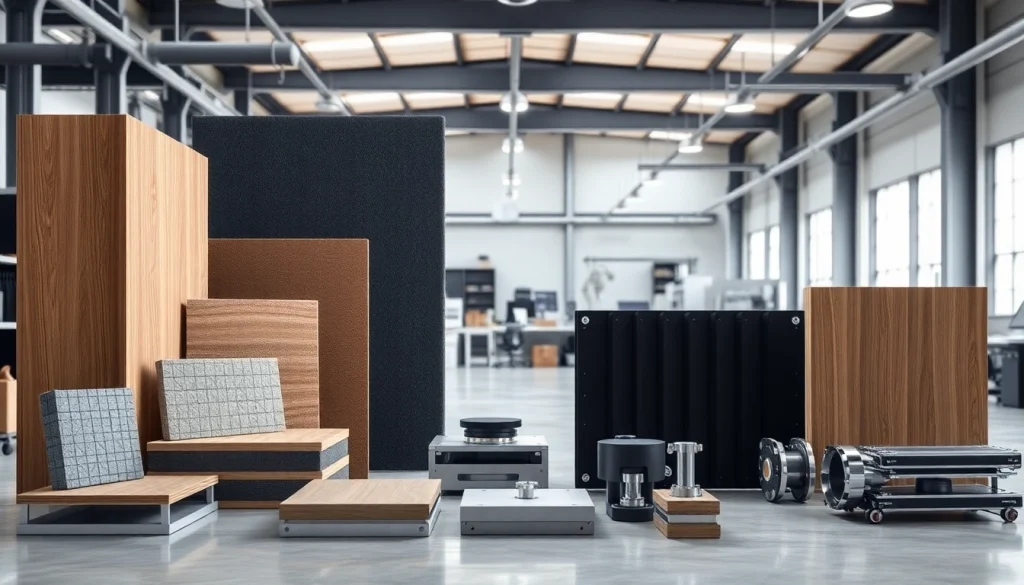
The Importance of Sound and Vibration Control Products
In today’s fast-paced and ever-evolving world, the significance of maintaining a peaceful and productive environment cannot be overstated. This holds especially true in areas where excessive noise and vibrations can lead to discomfort and decreased efficiency. Whether it’s in an office, educational facility, or home, having effective solutions in place is crucial. Sound and Vibration Control Products provide an essential layer of protection against unwanted auditory and vibrational disturbances that can compromise both well-being and performance.
Understanding Sound and Vibration Basics
To appreciate the significance of sound and vibration control products, it is essential to grasp the fundamentals of sound and vibration. Sound is a type of mechanical wave and requires a medium (such as air, water, or solids) for propagation. It is coupled with frequency, amplitude, and wavelength, which together dictate the characteristics of the sound perceived. In contrast, vibration refers to the mechanical oscillation of an object around an equilibrium point. Both sound and vibration can lead to significant issues when not managed correctly.
Common Problems Addressed by These Products
Many environments are plagued by noise pollution and vibrations, leading to a range of issues:
- Distraction: Excessive noise in workplaces can lead to decreased productivity and focus.
- Health Risks: Continuous exposure to high decibel levels can contribute to stress, hearing loss, and other health complications.
- Structural Integrity: Vibrations can lead to wear and tear on machinery and structures, resulting in costly repairs and maintenance.
Who Needs Sound and Vibration Control?
Almost any environment can benefit from sound and vibration control, including:
- Offices: To create a conducive working atmosphere that fosters concentration.
- Manufacturing Plants: To minimize vibrations that may affect machinery durability and operator comfort.
- Residential Areas: To enhance comfort by reducing disturbances from external sources like traffic or construction.
- Recording Studios: Where pristine acoustics are paramount for high-quality audio production.
Types of Sound and Vibration Control Products
Categories of Sound Control Solutions
There is a diverse range of sound control solutions available, each tailored to different needs:
- Sound Absorbers: Materials designed to reduce sound reflections, such as acoustic panels and ceiling tiles.
- Sound Barriers: Structures or materials used to block sound transmission, such as soundproof windows and walls.
- Sound Dampeners: Devices that reduce sound energy, like vibration pads and resilient channels.
Vibration Isolation Techniques Explained
Vibration isolation involves minimizing the transmission of vibrations. Common techniques include:
- Elastic Mounts: Devices that absorb shock and vibrations by deforming under pressure.
- Floating Floors: Floors constructed in a manner that prevents vibration transfer.
- Acoustic Barriers: Walls or structures designed to stop vibrations from traveling to adjacent spaces.
Innovative Materials Used in Production
Modern advancements in materials science have led to the development of innovative materials that enhance sound and vibration control:
- Mass Loaded Vinyl (MLV): A heavy product ideal for soundproofing walls and ceilings.
- Acoustic Foam: Porous materials that absorb sound waves effectively.
- Rubber Composites: Used in vibration isolation applications due to their flexibility and resilience.
Choosing the Right Sound and Vibration Control Products
Assessing Your Needs for Specific Solutions
Identifying the right solutions begins with a thorough assessment of the specific noise and vibration problems at hand. Key factors include:
- The source of noise or vibrations.
- The frequency and intensity of disturbances.
- Target areas requiring treatment.
Factors Influencing Product Selection
Several factors should guide your choice of products:
- Budget: Determine how much you are willing to invest in sound and vibration control.
- Application Environment: Consider whether the application is commercial, residential, or industrial.
- Desired Aesthetic: Ensure the product complements the design and aesthetics of the space.
Expert Tips for Effective Implementation
For successful implementation, consider the following tips:
- Consult with acoustical engineers or specialists for tailored solutions.
- Test products in smaller areas before committing to larger installations.
- Incorporate multiple solutions for enhanced effectiveness.
Installation and Maintenance of Sound and Vibration Control Products
Step-by-Step Installation Guide
Installing sound and vibration control products requires careful planning. Here’s a general guide:
- Preparation: Clear the installation area and gather necessary tools.
- Read Instructions: Review product installation guides thoroughly.
- Installation: Position and secure products according to specifications.
- Testing: Evaluate the effectiveness post-installation for adjustments.
Common Maintenance Practices
To ensure longevity and effectiveness, regular maintenance is essential:
- Inspect products regularly for wear or damage.
- Clean acoustic materials to maintain their performance.
- Replace elements as needed to uphold sound and vibration control standards.
When to Seek Professional Help
Although some installations can be DIY, you should consider professional help in the following scenarios:
- For complex systems requiring specialized knowledge.
- When installations exceed personal expertise or safety considerations.
- If you encounter persistent problems after initial installation efforts.
Measuring Performance and Effectiveness
Key Metrics for Evaluating Products
To gauge the effectiveness of sound and vibration control products, focus on the following metrics:
- Decibel Reduction: Measure the decibel levels before and after product installation.
- Vibration Frequency Response: Test the response of structures to vibrations with and without products installed.
- User Satisfaction: Gather feedback from individuals impacted by the changes.
Customer Feedback and Case Studies
Reviewing case studies and customer feedback offers valuable insights into the effectiveness of various products. Look for:
- Success stories highlighting substantial noise reduction.
- Descriptions of challenges faced during installation or use and how they were addressed.
- Ratings and reviews from users about product performance over time.
Adjustments for Maximum Efficiency
Fine-tuning your sound and vibration control setup will maximize results:
- Monitor performance regularly to identify areas for improvement.
- Stay informed about new technologies that may enhance your current setup.
- Engage with specialists periodically to reassess effectiveness and methods.
FAQs
What are Sound and Vibration Control Products?
Sound and vibration control products are designed to manage and reduce noise and vibrations in various environments, improving comfort and functionality.
Where are these products commonly used?
They are often used in offices, factories, studios, and residential areas to ensure better acoustics and minimize disturbances.
How can I choose the right product?
Assess your specific needs, such as the type of noise or vibration you’re dealing with, and consult with experts for tailored recommendations.
Are these products easy to install?
Installation complexity varies by product. Some can be DIY, while others may require professional installation for optimal results.
How do I measure the effectiveness of these products?
Monitor changes in noise levels and disturbances before and after installation, along with seeking feedback from users in the area.