
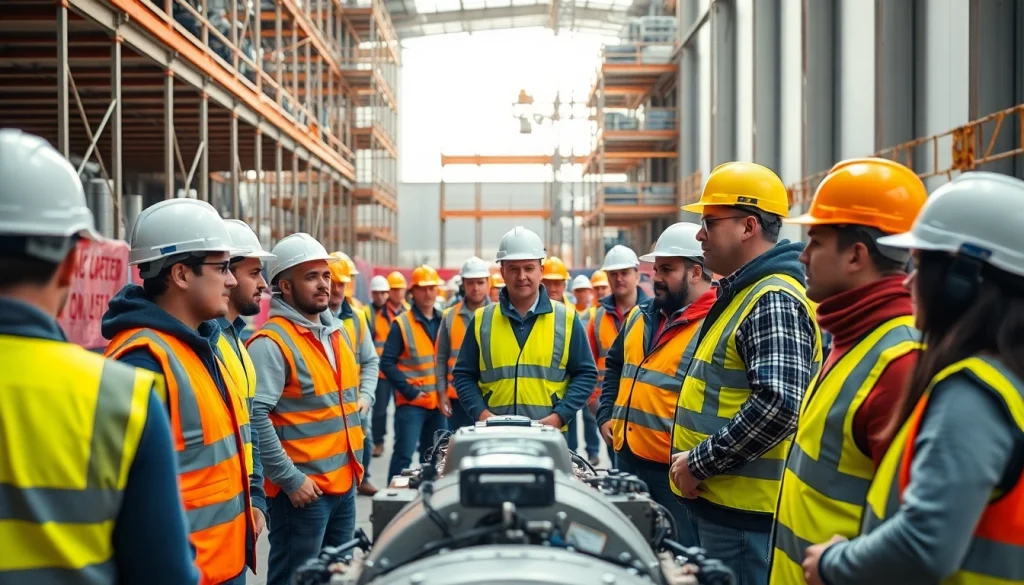
Understanding Construction Site Safety
Definition and Importance of Construction Site Safety
Construction site safety refers to the policies, procedures, and practices that ensure a safe working environment for construction workers. It’s crucial not only for the welfare of employees but also for the overall productivity and efficiency of construction projects. A robust safety framework minimizes accidents, reduces downtime, and lowers insurance costs, making it a fundamental aspect of any construction operation. Thus, maintaining high standards of construction site safety is imperative for fostering a culture of well-being within the industry.
Common Risks and Hazards in Construction
Construction sites are often inundated with various hazards that can lead to accidents. Common risks include:
- Falls: The leading cause of fatalities in construction, falls can occur from elevated surfaces, ladders, or scaffolding.
- Equipment accidents: Heavy machinery can cause severe injuries if operators are not vigilant or if proper protocols are not followed.
- Electrocution: Exposure to live wires and electrical equipment poses significant risks to workers.
- Struck-by incidents: Workers can be injured by falling objects or moving vehicles on site.
- Exposure to hazardous materials: Workers may encounter substances like asbestos or chemicals that can pose serious health risks.
Legal Requirements for Construction Site Safety
Each country has laws governing construction site safety, often enforced by occupational safety organizations. These laws mandate specific safety standards and protocols, including:
- Regular safety training and certifications for workers.
- Mandatory reporting of any accidents or near-misses.
- Provision of appropriate personal protective equipment (PPE).
- Creating and implementing emergency response plans.
Compliance with these regulations not only avoids legal repercussions but also promotes a culture of safety within the organization.
Key Elements of an Effective Safety Plan
Identifying Potential Safety Features
To create a comprehensive safety plan, it’s vital to identify all potential safety features required for specific projects. This includes:
- Safety barriers: Physical barriers help segregate hazardous areas from safe zones.
- Signage: Clear and visible signs indicating safety protocols help keep workers informed.
- Access control: Restricting access to certain areas reduces the risk of unauthorized personnel entering hazardous zones.
Training and Education for Workers
An effective safety plan is predicated on thorough training. Workers should receive training that covers:
- Proper use of equipment and tools.
- Identification of hazards and risks specific to their roles.
- Emergency response procedures and evacuation plans.
Regular refresher training and updated courses on new safety regulations are also essential.
Implementation of Safety Protocols
Once safety features are identified and training is completed, implementing safety protocols is the next critical step. These protocols should include:
- Daily safety briefings to assess conditions and remind workers of safety practices.
- Incident reporting mechanisms to capture data on near-misses or accidents.
- Regular maintenance of safety equipment and gear to ensure their effectiveness.
Best Practices for Maintaining Construction Site Safety
Regular Safety Inspections and Audits
Regular inspections and audits are key to ensuring ongoing compliance with safety protocols. Best practices include:
- Conducting site walkthroughs to identify new hazards.
- Using checklists to ensure consistency in inspections.
- Involving workers in the inspection process to gather insights from those directly on site.
Emergency Preparedness Plans
Preparation for emergencies can significantly mitigate their impact. Components of an effective emergency plan include:
- Clearly defined roles and responsibilities for site workers.
- Regular drills and simulations to prepare for various emergencies (e.g., fire, injury, natural disasters).
- Accessible first-aid kits and emergency contacts readily available on-site.
Utilizing Safety Equipment and Gear
Appropriate use of personal protective equipment (PPE) is essential. Common safety gear includes:
- Hard hats to protect against falling objects.
- High-visibility clothing to ensure worker visibility.
- Safety gloves and goggles suitable for various tasks.
Employers should provide necessary gear and ensure its proper use through training.
Engaging Workers in Safety Culture
Incentives for Safe Behavior
Creating a safety-conscious environment fosters better compliance. Incentives can motivate workers to prioritize safety. Examples include:
- Recognition programs for workers who report hazards or demonstrate safe behaviors.
- Bonuses for teams with a certain period without accidents.
- Opportunities for advancement based on safety records.
Effective Communication of Safety Policies
Clear and effective communication is paramount in implementing safety policies. Best practices include:
- Utilizing multiple channels (meetings, emails, signs) to communicate policies.
- Encouraging feedback to ensure policies are understood and practical.
- Translating materials for non-English speaking workers to ensure inclusivity.
Encouraging Peer Accountability
Promoting a culture of peer accountability fosters collective responsibility for safety. Tools to encourage this include:
- Buddy systems for workers to monitor each other’s safety practices.
- Creating safety committees that include workers in decision-making processes.
- Facilitating open discussions about safety experiences and lessons learned.
Measuring and Improving Construction Site Safety
Tracking Safety Metrics and Data
Data-driven decisions lead to improved safety outcomes. Key metrics to track include:
- Incident rates—including near misses—to understand safety performance.
- Completion of safety training sessions by workers.
- Results from safety inspections and audits.
Using software to compile this data can provide insightful analytics over time.
Continuous Improvement Strategies
To adapt to changes and enhance safety protocols, continuous improvement is essential. Strategies include:
- Regularly reviewing and updating safety plans based on the latest regulations and industry standards.
- Conducting post-incident reviews to understand what went wrong and how to prevent it in the future.
- Fostering a culture where feedback on safety practices is welcomed and acted upon.
Evaluating Training Programs and Their Effectiveness
Evaluating the effectiveness of safety training is vital for ensuring that workers understand and implement safety protocols. Evaluation methods include:
- Pre- and post-training assessments to measure knowledge gain.
- Observations on-site to evaluate behavior changes post-training.
- Feedback from participants to improve future training sessions.
FAQs About Construction Site Safety
What are the common hazards on construction sites?
Common hazards include falls, equipment accidents, electrocution, struck-by incidents, and exposure to hazardous materials.
How often should safety training be conducted?
Safety training should be conducted regularly, ideally at the start of employment, with refresher courses provided at least annually.
What is the role of PPE in construction safety?
PPE serves as a critical line of defense against accidents and injuries, providing protection from hazards like falling objects and exposure to harmful substances.
How can we improve communication about safety on site?
Improvement can be achieved through multiple channels, regular meetings, clear signage, and encouraging feedback from workers on safety policies.
What metrics should be tracked for safety performance?
Key metrics include incident rates, training completion rates, and results from safety inspections and audits.