
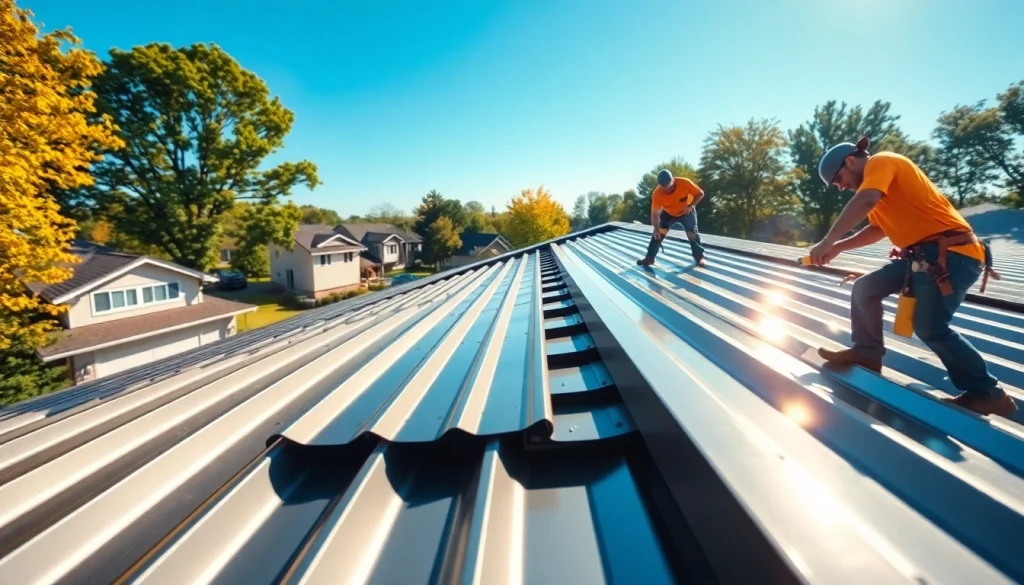
Understanding Metal Roofing
What is Metal Roofing?
Metal roofing refers to covering systems constructed using metal materials, offering a durable and versatile option for buildings ranging from residential homes to commercial properties. It differs significantly from traditional roofing materials such as asphalt shingles, clay tiles, and wood shakes. Metal roofing is available in various styles, including panels and tiles, and can be fabricated from materials like steel, aluminum, copper, and zinc, ensuring a broad array of options tailored to aesthetic and functional requirements.
Common Types of Metal Roofing
When considering metal roofing, it’s essential to understand the different types available, each with unique characteristics and benefits:
- Steel Roofing: Galvanized or Galvalume steel is one of the most popular choices for metal roofing due to its balance of affordability, durability, and aesthetic versatility.
- Aluminum Roofing: Lightweight and highly resistant to corrosion, aluminum roofing is an excellent choice for coastal environments.
- Copper Roofing: Known for its longevity and stunning appearance, copper roofing develops a distinctive patina as it ages, making it a favored choice for historical and upscale buildings.
- Zinc Roofing: Similar to copper, zinc also develops a protective patina, offering both elegance and durability.
- Metal Shingles: Shingle-style metal roofs provide a classic look, combining the traditional appeal of shingles with the benefits of metal.
Advantages of Metal Roofing Over Traditional Materials
Metal roofing boasts numerous advantages over traditional materials. Firstly, it provides superior longevity, often lasting two to three times longer than asphalt shingles. This durability translates to fewer replacements and repairs, ultimately saving homeowners significant costs over time. Additionally, metal roofing is resistant to harsh weather conditions, including high winds, hail, and heavy snow, ensuring it remains intact and functional even in adverse climates.
Moreover, many metal roofs are coated with reflective materials that enhance energy efficiency by reflecting sunlight, reducing heat absorption, and contributing to lower cooling costs during the summer months. Lastly, metal roofing is highly recyclable, making it a more sustainable choice compared to asphalt, which contributes to landfills upon disposal.
Benefits of Metal Roofing
Durability and Longevity of Metal Roofing
One of the standout features of metal roofing is its impressive durability. Since metal roofs can withstand winds up to 140 miles per hour, they are an ideal choice for regions prone to hurricanes and tornadoes. This resilience is further reinforced by materials like Galvalume steel, which combines aluminum with zinc to enhance rust resistance.
The lifespan of metal roofing can range from 40 to 70 years, depending on the type of metal and maintenance practices. In a world where many homeowners are looking to minimize ongoing costs, the longevity of metal roofing offers a significant financial advantage over shorter-lived materials like asphalt shingles. Regular inspection and maintenance can further extend the roof’s life, ensuring maximum value from this investment.
Energy Efficiency and Cost Savings
Energy efficiency is another compelling advantage of metal roofing. Thanks to its reflective surface, metal roofs help maintain cooler indoor temperatures, leading to reduced reliance on air conditioning during hot months. Homeowners can see significant savings on energy bills, with estimates of up to 25% in cooling costs. Additionally, many manufacturers offer Energy Star-rated products that qualify for tax credits and rebates, further enhancing the cost-saving potential.
Metal roofing’s excellent insulation properties also contribute to year-round energy efficiency. In colder climates, metal roofs can prevent ice dams by allowing snow to slide off quickly, reducing the risk of water pooling, which can cause leaks and damage. This dual benefit of energy efficiency in both summer and winter makes metal roofing an attractive option for homeowners in diverse climates.
Environmental Impact of Metal Roofing
Choosing metal roofing is a responsible choice for those concerned with environmental sustainability. Metal roofs are typically made from recycled materials, and at the end of their life cycle, they can be fully recycled again. This closed-loop cycle of materials significantly reduces waste and the environmental impact compared to traditional roofing materials, which often end up in landfills.
Furthermore, the reflection properties of metal roofing assist in minimizing the urban heat island effect, contributing to cooler environments in densely populated urban settings. This characteristic of metal roofing supports efforts toward energy conservation and climate change mitigation, making it a clear choice for environmentally-minded homeowners.
Choosing the Right Metal Roofing
Factors to Consider When Selecting Metal Roofing
Selecting suitable metal roofing involves careful consideration of several factors including material types, styles, and local building regulations. First, assess the climate in your area. Areas with heavy snowfall may require a standing seam metal roof to facilitate snow shedding, while coastal areas shall opt for aluminum or copper due to their corrosion resistance.
Secondly, consider your home’s architectural style. Roofs should complement the overall aesthetic of the building. Some styles may benefit from the overhead presence of colored panels, while others may look better with traditional metal shingles. Consultation with a contractor experienced in metal roofing will yield insights into the best options that fit both stylistic and functional needs.
Different Finishes and Colors for Metal Roofing
Metal roofing materials come in a variety of colors and finishes, allowing for significant customization. Manufacturers offer everything from classic shades like black and slate gray to vibrant hues such as red, blue, and green. Additionally, different finishes are available, including matte, glossy, and textured options, enabling homeowners to achieve the desired appearance for their roofs.
Color choice is more than aesthetic; it can impact energy efficiency. Lighter colors reflect sunlight and can aid in keeping your home cool, while darker colors may absorb more heat, suited for colder climates where warmth retention is preferred. Ultimately, the selection process should reflect both personal taste and practical considerations.
Installation Considerations for Metal Roofing
Proper installation is crucial to the performance and longevity of metal roofing. It’s advisable to hire a professional experienced with metal roofing installations, as improper techniques can lead to leaks and reduced durability. Ensuring that the roof structure can adequately support the weight of metal panels is also essential, especially in regions with heavy snowfall.
Ventilation is an often-overlooked aspect during installation. Adequately ventilated roofs reduce heat buildup in the attic, prolonging the life of the roof and improving energy efficiency. Homeowners should ensure that their metal roofing contractor addresses these essential installation criteria to maximize the benefits of their new roof.
Maintenance Tips for Metal Roofing
Routine Inspection and Cleaning Best Practices
Maintaining metal roofing is relatively simple, yet crucial for its longevity. Homeowners should perform regular inspections—ideally twice a year, or more frequently following severe weather events. Key areas to check include seams, fasteners, and the underside of eaves for rust or debris accumulation.
Cleaning is equally important. Using a soft-bristle brush and mild detergent is typically enough to remove dirt and debris. For more stubborn stains, gently power washing may be appropriate, provided that the pressure is kept low to avoid damaging the surface. Homeowners should avoid using abrasive materials and harsh chemicals, which can erode protective finishes and lead to corrosion over time.
Identifying Common Issues with Metal Roofing
While metal roofing is durable, it is not entirely devoid of challenges. Common issues include rust spots, especially in untreated areas, and corrosion from debris accumulation. Homeowners should be vigilant in identifying these problems early to prevent extensive damage.
Another issue can arise from improper installation, leading to leaks at seams and fasteners. Homeowners should know the signs of leaks—such as discoloration on ceilings and walls—and address these promptly. Also, ridges and eaves should be checked regularly to ensure that snow or debris isn’t obstructing proper drainage.
When to Call a Professional for Metal Roofing Repairs
If any significant issues arise, it’s essential to consult a professional. Indicators for professional intervention include persistent leaks, widespread rust, or if you suspect structural issues. Furthermore, if your warranty is still active, attempting repairs independently may void it; thus, it’s advisable to consult the roofing contractor for guidance in case of major repairs.
FAQs About Metal Roofing
What is the lifespan of a metal roof?
A metal roof can last 40-70 years, influenced by material choices and maintenance practices.
Is metal roofing energy-efficient?
Yes, metal roofs reflect solar heat, significantly reducing cooling costs during warmer months.
How do I clean my metal roof?
Use a soft brush or cloth with mild detergent; do not use abrasive materials to avoid scratches.
Can metal roofing be installed over shingles?
Yes, metal roofing can often be installed over existing shingles, minimizing waste during replacement.
Does metal roofing attract lightning?
No, metal does not attract lightning; however, it helps dissipate energy safely if struck.