Understanding Flooring Near Me: What to Look For
Choosing the right flooring can significantly impact the aesthetics, functionality, and value of your space. Whether you're renovating your home, updating your office, or planning a new construction, understanding your flooring options is essential. For those searching for quality materials and installations, browsing flooring near me can lead to exciting discoveries. This guide aims to clarify the key elements to consider while embarking on your flooring journey.
Defining Your Flooring Needs
Every flooring project begins with an assessment of your needs. This involves evaluating the purpose of the space, the expected foot traffic, and environmental factors such as moisture and temperature fluctuations. For example, high-traffic areas like hallways and living rooms may benefit from more durable materials, whereas bedrooms may allow for softer, more aesthetic options. Think about the following questions:
- What is the main purpose of the room?
- How much maintenance can you realistically commit to?
- Do you have pets or kids that might affect flooring performance?
- What is your budget for flooring materials and installation?
Materials That Stand Out
Once you've defined your needs, it’s time to explore various materials. Here are some popular options that stand out:
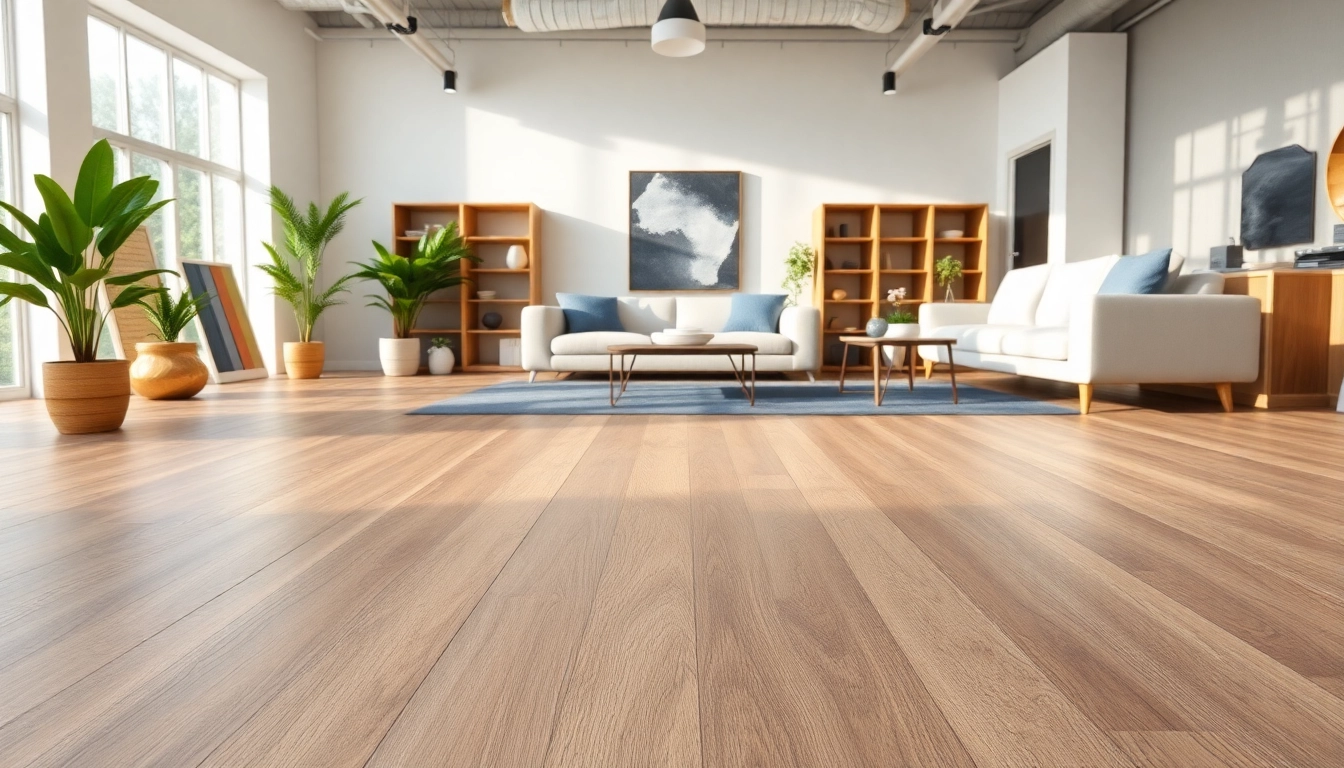
- Luxury Vinyl Flooring (LVP): Durable, water-resistant, and available in countless designs.
- Hardwood: Offers timeless beauty and durability; however, it requires more maintenance and is sensitive to moisture.
- Laminate: An economical alternative to wood, it mimics the look of traditional hardwood while providing scratch resistance.
- Tile: Fantastic for wet areas, tiles offer a range of aesthetic choices and durability.
- Carpet: Provides comfort and warmth, suitable for bedrooms and living areas.
The Importance of Location
Where you live can greatly affect your flooring selection. For instance, humid climates may necessitate moisture-resistant options, while colder regions might benefit from insulated flooring materials. Additionally, consulting local flooring experts can provide insights into the best products for your specific area, ensuring you make choices suited to your environment.
Types of Flooring Options Available
Benefits of Luxury Vinyl Flooring
Luxury Vinyl Flooring (LVP) has gained immense popularity due to its myriad advantages. Here are some of the benefits:
- Water Resistance: Ideal for kitchens and bathrooms, LVP is designed to resist moisture, protecting against warping and damage.
- Variety of Designs: Available in styles showcasing wood, stone, or abstract designs, LVP is customizable to suit any decor.
- Durability: LVP is scratch, dent, and stain-resistant, making it perfect for families and pets.
- Comfort: It offers a more cushioned feel underfoot than traditional tile or hardwood.
Hardwood vs. Vinyl: A Comparison
When comparing hardwood to vinyl, consider longevity, maintenance, and style:
- Longevity: Hardwood can last generations if maintained well, while vinyl typically has a lower lifespan but is easier to replace.
- Maintenance: Hardwood requires periodic refinishing and careful cleaning to avoid water damage. In contrast, vinyl necessitates basic cleaning and occasional waxing.
- Style: Both materials provide aesthetic appeal, but hardwood offers a more traditional and luxurious feel, whereas vinyl can more easily mimic other materials.
Eco-Friendly Flooring Choices
As sustainability becomes increasingly vital, eco-friendly flooring options are gaining attention. Here are some materials that align with green practices:
- Bamboo: A rapidly renewable resource that offers durability and resilience.
- Cork: Sustainable and naturally antimicrobial, cork is perfect for reducing allergens.
- Recycled Materials: Many products are made using recycled waste products, minimizing environmental impact.
- Low VOC Products: Choosing flooring with low volatile organic compounds ensures better indoor air quality.
Budgeting for Flooring Near Me
Estimating Costs Accurately
Budgeting is critical for any flooring project. The cost of flooring can vary significantly based on the material, installation methods, and even the state of your subfloor. Here's how to approach budgeting:
- Research average costs for each type of flooring material.
- Get multiple quotes from reputable installers.
- Include additional expenses like disposal of old flooring and subfloor repairs in your estimates.
- Factor in the cost of underlayments if necessary for sound insulation or moisture barriers.
Getting the Best Value
To ensure you’re getting the best value, consider the following:
- Invest in quality materials that will last longer and require less maintenance.
- Check for warranties that provide coverage on installation and materials.
- Shop during holiday sales or off-peak seasons to take advantage of discounts.
Hidden Costs to Consider
Hidden costs can often derail a flooring project, so it’s wise to anticipate them. These may include:
- Removal and disposal costs of the old flooring.
- Possible repairs needed for the subfloor.
- Upgrades for underlayment for improved soundproofing or insulation.
- Post-installation cleanup or finishing touches like baseboards or trim.
Installation Tips for Successful Flooring Projects
Choosing the Right Professionals
Hiring professionals for installation can save you time, frustration, and potentially costly mistakes. Here are tips for selecting the right installers:
- Request references and inspect previous work.
- Verify that the contractors are licensed and insured.
- Ask about warranties related to labor.
- Discuss your vision and ensure they understand your needs before commencing work.
DIY Installation: Pros and Cons
While some homeowners opt for DIY installation to save money, it’s essential to weigh the pros and cons:
- Pros: Cost-saving, flexibility in scheduling, and a sense of accomplishment.
- Cons: Risk of costly errors, a steep learning curve for complex materials, and potential lack of warranty on labor.
Maintenance for Longevity
Maintaining your flooring correctly can extend its life. Here are maintenance tips based on common materials:
- Vinyl: Regularly clean with a damp mop and avoid excessive moisture.
- Hardwood: Sweep or vacuum frequently; use hardwood-specific cleaners.
- Tile: Clean grouts periodically and use sealants to prevent stains.
- Carpet: Regular vacuuming and periodic professional cleaning help maintain appearance and hygiene.
FAQs About Flooring Near Me
What is the best flooring material for bathrooms?
Luxury vinyl and ceramic tile are excellent choices for bathrooms due to their water resistance and durability.
How can I find quality flooring contractors near me?
Search for local contractors online, read reviews, and ask for recommendations from friends or home improvement stores.
What are the latest trends in flooring design?
Popular trends include wider planks, mixed materials, and natural hues that enhance the flow of spaces.
How often should I replace my flooring?
The lifespan of flooring varies: carpets may last 7-10 years, while hardwood and tile can last decades with proper maintenance.
Are there financing options for flooring near me?
Many flooring retailers offer financing solutions, including interest-free payment plans or construction loans to fit your budget.