
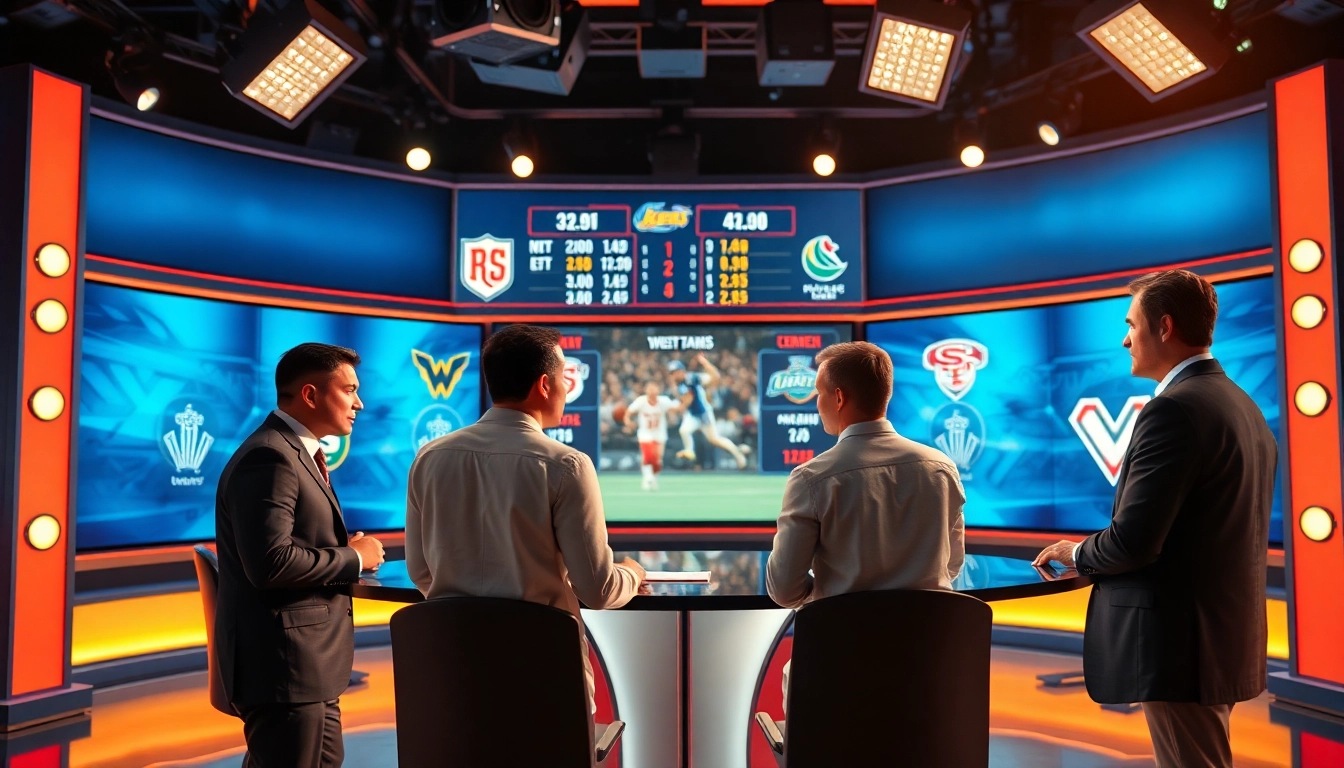
Introduction to Sports Broadcasting
What is Sports Broadcasting?
Sports broadcasting encompasses the live coverage and transmission of sporting events through various media, including television, radio, and online platforms. This field is vital for conveying real-time action, commentary, and analysis to audiences worldwide. By utilizing cutting-edge technology, sports broadcasters can enhance viewer experience through high-definition visuals, immersive sound, and insightful commentary, making sports accessible to millions.
Importance of Sports Broadcasting in Modern Media
The role of sports broadcasting in contemporary media cannot be overstated. It's a linchpin for sports promotion, fan engagement, and revenue generation. Through Sports Broadcasting, brands reach a larger audience, driving advertising revenues and the overall economy of sports. Events such as the Olympics or the Super Bowl often draw millions of viewers, making them prime real estate for marketing and sponsorship opportunities.
History and Evolution of Sports Broadcasting
Sports broadcasting has evolved dramatically since its inception in the early 20th century. Initially, sports were covered through print media and word of mouth. The first radio broadcasts of sports events began in the 1920s, bringing the excitement of live games into people's homes. The transition to television in the 1950s revolutionized how sports were consumed, introducing commentary and camera angles that enhanced viewer engagement. The internet age ushered in streaming services and social media, providing fans more access than ever before.
Key Components of Sports Broadcasting
Essential Equipment for Effective Sports Broadcasting
Successful sports broadcasting relies on sophisticated equipment to ensure optimal quality and viewer experience. Key components include:
- Cameras: High-definition cameras capture the action, while multiple angles provide dynamic perspectives.
- Microphones: Quality microphones are essential for clear commentary and capturing audience reactions.
- Broadcasting Software: Software tools allow for real-time graphics integration, replays, and data analytics.
- Transmission Gear: Equipment that facilitates live feeds, satellite links, and streaming capabilities is crucial for seamless broadcasting.
Roles in a Sports Broadcasting Team
A successful sports broadcast requires a well-coordinated team, each member playing a unique role:
- Sports Anchors: The face of the broadcast, providing insights, play-by-play commentary, and analysis.
- Producers: Oversee the production process, coordination of crew, content planning, and ensuring a smooth flow of the broadcast.
- Technical Crew: Engineers and technicians manage the equipment, ensuring quality transmission and broadcast standards.
- Graphic Designers: Create and implement visuals, including stats, logos, and other engaging graphics that enhance the viewer’s understanding.
Understanding Broadcast Rights and Regulations
Broadcast rights determine how, when, and where sports events are shown, significantly impacting the financial landscape of sports broadcasting. These rights are typically negotiated between leagues and networks, leading to lucrative contracts. Additionally, regulations govern the use of footage, advertising, and viewer data protection, ensuring compliance with legal standards while providing a competitive edge in the growing market.
Best Practices for Engaging Sports Broadcasting
Utilizing Analytics for Audience Engagement
Data analytics plays a pivotal role in understanding audience preferences and behavior. By leveraging metrics like viewer demographics, engagement rates, and feedback, broadcasters can tailor content strategies that resonate. Utilizing tools to analyze social media trends and viewing patterns allows teams to optimize broadcasts and ad placement, perfectly aligning with audience interests.
Creating Compelling Storylines in Sports Broadcasting
Sports are not just about competition; they are rich narratives filled with heroism, struggle, and triumph. Crafting compelling storylines around players, teams, and rivalries can significantly enhance viewership. By humanizing athletes and building narratives over seasons, broadcasters create an emotional connection between fans and teams. This connection fosters loyalty, encouraging audiences to tune in regularly.
Savvy Social Media Integration Techniques
As digital media continues to dominate, integrating social media into the broadcast experience is vital. Broadcasters can engage audiences in real-time conversations, promote viewing parties, and showcase highlights that resonate on platforms like Twitter, Instagram, and TikTok. This integration helps create a community of engaged fans who feel actively involved in the sporting events they love.
Trends Shaping the Future of Sports Broadcasting
Emerging Technologies in Sports Broadcasting
Technological advancements are reshaping sports broadcasting at an unprecedented rate. Innovations such as 4K and 8K video resolution, augmented reality (AR), and drone cameras are revolutionizing how audiences experience sports. These technologies enhance viewer immersion, offering rich, detailed perspectives that were once unimaginable.
The Rise of Streaming Services
Streaming services have transformed the landscape of sports broadcasting, providing fans with flexible viewing options beyond traditional cable. With growing platforms offering exclusive sports content, it is crucial for broadcasters to explore partnerships with these services to expand their reach and provide competitive viewing options.
Impact of Virtual Reality Experiences
Virtual reality (VR) is emerging as a game-changer in the field, offering fans a chance to experience events from within the arena. Fans can feel as though they are part of the action, significantly altering how sports are consumed and experienced. VR has the potential to change viewing habits, delivering personalized experiences that traditional broadcasting cannot match.
Challenges and Solutions in Sports Broadcasting
Navigating Licensing and Legal Challenges
Licensing remains one of the most significant hurdles in sports broadcasting, as networks must negotiate rights that can be complex and costly. To navigate these challenges, broadcasters should engage legal experts early in negotiations, ensure compliance with regulations, and remain adaptable to changing media landscapes.
Dealing with Audience Expectations
As audience expectations evolve, sports broadcasters must consistently innovate to keep up. This demands not only high production values but also timely analysis and engaging storytelling. Regularly soliciting feedback from viewers can help tailor content to meet expectations and adapt programming in real-time.
Strategies for Financial Sustainability
The financial model for sports broadcasting has shifted drastically, with declining advertising revenues impacting profitability. Diversifying income streams—by offering subscription models, exclusive content, and innovative sponsorship deals—can help broadcasters achieve sustainability in a competitive market.
Frequently Asked Questions
What is sports broadcasting?
Sports broadcasting refers to the coverage and transmission of sports events via television, radio, or online platforms, providing audiences access to live sports content.
How do I get involved in sports broadcasting?
To get involved, pursue degrees in broadcasting, journalism, or communications, gain hands-on experience through internships, and build connections in the industry.
What technologies are used in sports broadcasting?
Technologies include advanced cameras, drones, graphics software, and streaming services that enhance the viewing experience and provide real-time data during broadcasts.
What are the main roles in a sports broadcasting team?
Main roles include sports anchors, producers, camera operators, and graphic designers, each essential for delivering a seamless and engaging sports experience.
What trends are currently impacting sports broadcasting?
Current trends include the rise of streaming platforms, increased integration of social media, and advancements in augmented and virtual reality technologies.