Understanding Modern Lighting
What Defines Modern Lighting?
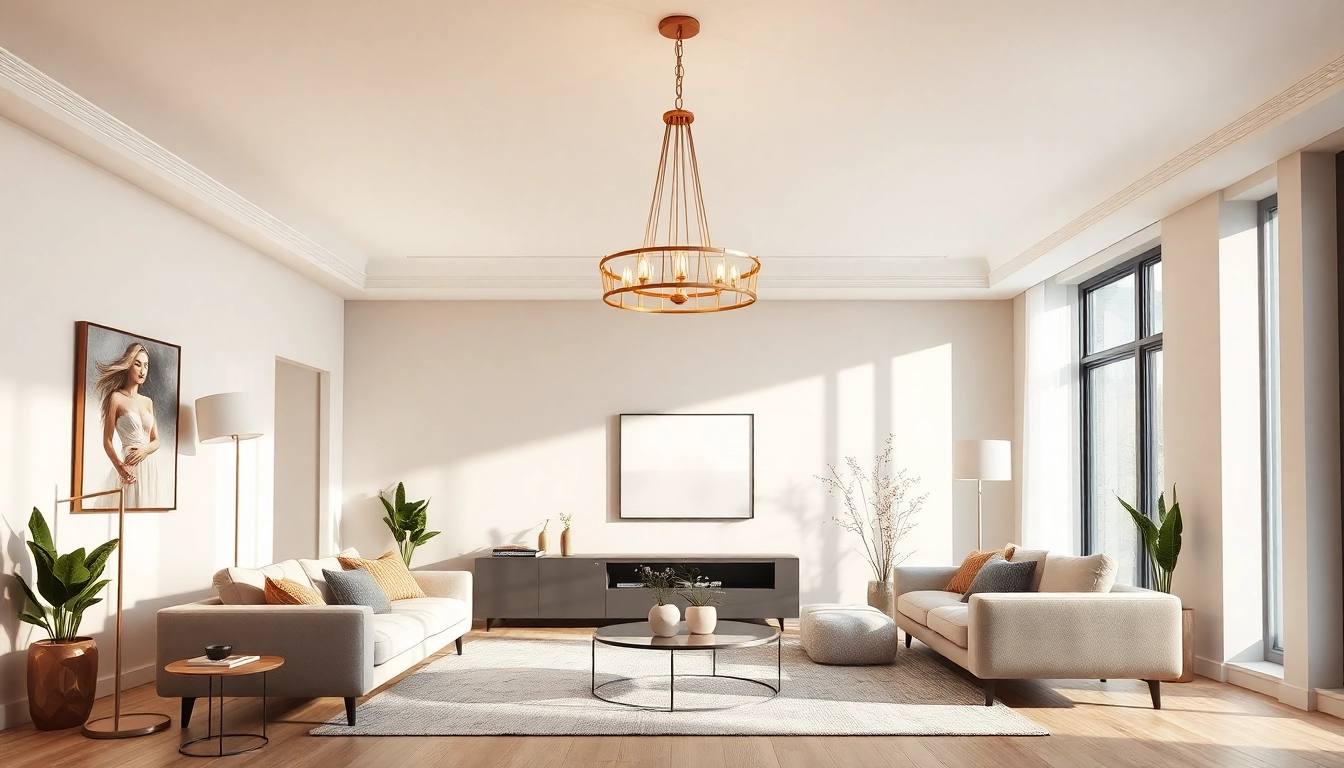
Modern lighting, characterized by sleek lines and simple forms, has revolutionized the way we view illuminating spaces. Distinguished from traditional lighting, which often boasts ornate designs and elaborate details, modern lighting focuses instead on functionality and minimalism. Its aesthetics can be attributed to a variety of movements, including Bauhaus and Mid-century Modern, emphasizing practical looks without sacrificing elegance. Whether through pendant lights, floor lamps, or wall sconces, modern lighting techniques provide both illumination and design appeal, satisfying the contemporary homeowner’s desire for style and substance.
Benefits of Choosing Modern Lighting
The decision to Shop ModernLighting brings a wealth of benefits not only in terms of visual appeal but also functional advantages. Firstly, modern lighting fixtures often incorporate energy-efficient technologies such as LED bulbs, which dramatically reduce energy costs and environmental impact. Furthermore, modern designs tend to blend seamlessly with diverse interior styles, from industrial to Scandinavian, enhancing the aesthetic harmony of your home. Easy installation and low maintenance are additional advantages that cater to the lifestyle of contemporary consumers.
Popular Styles and Trends
Several styles define the modern lighting landscape today. Minimalist lighting often embraces simplicity, using geometric shapes and neutral color palettes. Industrial style incorporates elements such as exposed bulbs and metallic finishes, offering a raw, urban feel. Other trends include organic designs, which utilize natural materials and shapes inspired by nature, and smart lighting systems that integrate technology for customizable features. Understanding these trends will help you select fixtures that not only illuminate but also accentuate your unique home decor.
Choosing the Right Fixtures
Factors to Consider When You Shop ModernLighting
Selecting the right lighting fixtures requires careful thought and consideration. Begin by assessing the function of the space you are illuminating—will the lights be used for reading, entertaining, or general ambiance? Understanding the room’s size is equally crucial; larger rooms benefit from multiple light sources, while smaller spaces may only need one statement piece. Lastly, consider the existing color scheme and stylistic elements in the room to ensure your chosen fixtures complement or enhance your interior design.
Matching Fixtures to Your Interior Design
To create a cohesive look, it's essential to match your lighting fixtures with your overall interior design. If your decor leans more towards vintage, for instance, pairing modern fixtures with classic elements could lead to visual dissonance. Instead, opt for fixtures that harmonize with the dominant style—modern fixtures with clean lines can uplift a minimalist space, while warmer, textured designs may be better suited for a rustic environment. The goal is to achieve a balance that upholds the integrity of your design theme while enhancing the room’s functionality.
Energy Efficiency and Sustainability
With climate change and energy conservation becoming pressing global issues, the demand for energy-efficient lighting has surged. Modern lighting solutions, particularly those using LED technology, offer significant savings on electricity bills while boasting longer lifespans compared to traditional bulbs. Furthermore, many modern fixtures are designed using sustainable materials, from recycled metals to eco-friendly plastics, minimizing their environmental footprint. By choosing energy-efficient lighting, homeowners contribute to a more sustainable future while enjoying stylish and effective home illumination.
Installation and Maintenance Tips
DIY Installation vs. Professional Help
Determining whether to tackle fixture installation yourself or hire a professional can depend on various factors. DIY installation may be viable for simpler fixtures or those requiring minimal electrical work. However, for more complex designs or locations requiring extensive electrical modifications, it’s best to engage a qualified electrician. Doing so not only ensures safety and compliance with local building codes but also guarantees that your lighting system functions correctly from the start, eliminating future headaches.
Maintaining Your Lighting Fixtures
Regular maintenance of your lighting fixtures is essential for preserving both their functionality and aesthetics. Dust and dirt can accumulate over time, leading to diminished light output and an unattractive appearance. Simple cleaning with a microfiber cloth can alleviate this issue. Additionally, periodically checking for loose connections or signs of wear can prevent more significant problems down the line. Following manufacturer guidelines on care can prolong the longevity and efficiency of your lighting installations.
Common Mistakes to Avoid
When selecting and installing lighting, several common pitfalls should be avoided. One major mistake is overlooking the scale of the fixtures in relation to the room size; large, overpowering fixtures in small spaces can feel awkward, while tiny fixtures in expansive rooms can result in inadequate lighting. Another frequent error is underestimating the importance of layering lighting; relying solely on overhead fixtures may create harsh shadows or overly bright spaces. Lastly, many people neglect to consider the type of bulbs that best suit their fixtures and room function, underselling the potential impact of light color and intensity.
Enhancing Ambiance with Lighting
Creating Mood with Different Lighting Types
The right type of lighting can dramatically influence the mood of any space. Ambient lighting provides overall illumination, making it a cornerstone of good design. Task lighting focuses on specific areas, enhancing functionality where needed—for example, utilizing desk lamps in workspaces. Accent lighting, on the other hand, is perfect for highlighting artwork or architectural features, adding depth and interest to decor. A blend of these types creates a versatile, adaptable environment that can suit various occasions and activities.
Layered Lighting Techniques
Employing layered lighting techniques enables homeowners to build a dynamic and flexible lighting scheme. By integrating ambient, task, and accent lighting, you can achieve a balanced and inviting atmosphere tailored for different needs. Consider incorporating dimmer switches to adjust brightness levels according to activities—brighter for work, softer for relaxation. Using a combination of various fixture types such as chandeliers, recessed lights, and lamps helps accentuate different elements of your space, creating a more visually engaging interior.
Using Color Temperature to Influence Space
Color temperature plays a critical role in establishing mood through lighting. Measured in Kelvin, lighting can be categorized into three primary ranges: warm white (2700K-3000K), neutral white (3500K-4100K), and cool white/ daylight (5000K+). Warm white is ideal for cozy settings, such as living rooms or bedrooms, while cool daylight is better suited for areas requiring high attention to detail, like kitchens or home offices. Carefully choosing your color temperature can effectively enhance the emotional tone of your space, creating an inviting environment.
Frequently Asked Questions
What are the advantages of modern lighting?
Modern lighting provides aesthetic appeal and energy efficiency, with versatile styles compatible with various decor preferences. Its focus on minimalism and functionality enhances both the beauty and practicality of residential spaces.
How do I choose the right lighting fixtures?
Choosing the right fixtures involves assessing the function of the room, its size, and existing decor. Fixtures should serve both functional needs and stylistic coherence, enhancing the overall interior design.
Can I install lighting fixtures myself?
Yes, many lighting fixtures can be installed as DIY projects. However, complex installations, especially those involving significant electrical work, should be handled by a qualified professional for safety.
What types of bulbs should I use for modern lighting?
LED bulbs are preferred for modern lighting due to their energy efficiency and long lifespan. They are available in varying color temperatures to suit different lighting needs and atmospheres.
How can I maintain my lighting fixtures?
Regular cleaning and routine inspections are key to maintaining your fixtures. This practice not only ensures proper functionality and aesthetics but also extends the life of your lighting elements.